
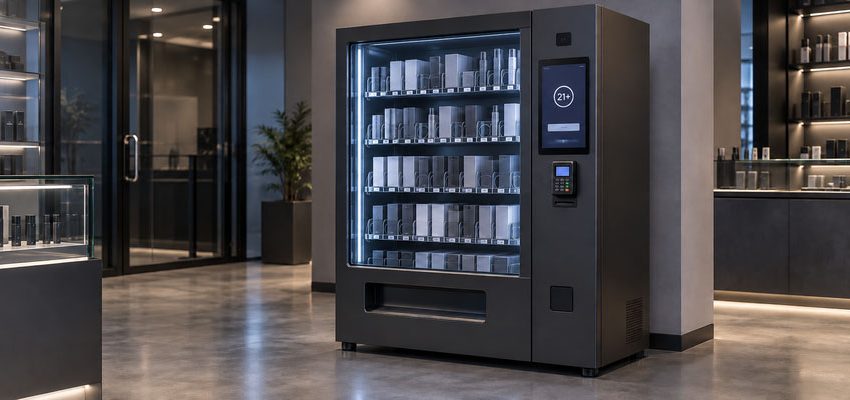
Vape vending machines bring automated retail technology to a tightly regulated product category. These self-service units dispense vaping products through an electronic purchasing interface, combining payment processing, inventory controls, and, in some configurations, identity verification. Their operation raises questions that go well beyond the mechanics of completing a transaction.
Understanding vape vending machines requires examining how the equipment works, where it may legally operate, and how operators manage security, maintenance, and accountability. Automation changes the sales process, but it does not eliminate the responsibilities associated with selling age-restricted products.
How Vape Vending Machines Work
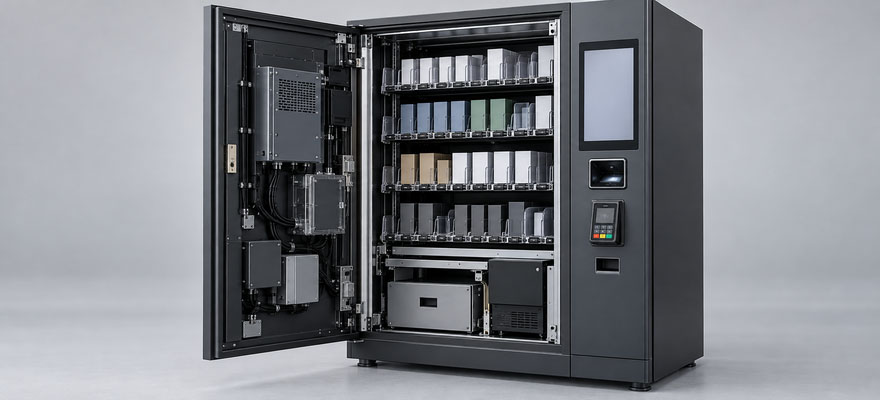
A vape vending machine typically consists of a secure cabinet, a product selection interface, a payment terminal, and a dispensing mechanism. Depending on its configuration, it may also include ID-scanning hardware, remote-monitoring connectivity, and software that records inventory movements and equipment errors.
During a transaction, the system processes the customer’s selection, performs the required verification steps, and authorizes payment before dispensing the item. The precise sequence varies by system. A well-designed transaction flow should also handle unsuccessful purchases, including rejected identification, declined payments, and dispensing failures.
Connected machines may report stock levels and service alerts to an operator dashboard. However, capabilities differ across manufacturers and software platforms. Features such as remote access, transaction logs, and identity checks should be evaluated individually rather than assumed to be standard.
Federal Restrictions in the United States
Location eligibility is a central issue for vape vending machines in the United States. Federal rules prohibit selling e-cigarettes and other covered tobacco products through vending machines in facilities where anyone under 21 is present or permitted to enter at any time. Retailers also may not sell these products to anyone under 21 and must check photographic identification for purchasers under 30.
This distinction matters when assessing a machine’s verification technology. An identification scanner does not override the federal restriction on the facility itself. A location that admits people under 21 cannot become an eligible vending location simply by adding an age check at the machine.
Federal requirements are only one part of a compliance review. Operators also need to establish which state and local requirements apply to the proposed location, equipment, and products. A manufacturer’s general compliance statement cannot establish whether a particular installation is lawful.
Age Verification and Data Privacy
Age verification involves more than reading a birth date. A system may need to evaluate whether identification is valid and whether it belongs to the person attempting the purchase. Scanning a document alone should not be treated as conclusive proof of identity.
Verification systems also create privacy responsibilities. Depending on their design, they may process identification images, dates of birth, or other personal information. Operators should understand what information is collected, where it is processed, who can access it, and how long it is retained.
A responsible approach limits data collection to a defined purpose and establishes clear retention and deletion procedures. Customers should receive understandable information about the verification process before submitting sensitive information.
Maintenance, Security, and Reliability
Unattended equipment still requires active oversight. Dispensing mechanisms can jam, payment terminals can lose connectivity, and inventory records can become inaccurate. Operators need documented procedures for inspections, restocking, software updates, and customer support.
Physical security is another consideration. Cabinets, access panels, and payment components should be protected against tampering. Administrative accounts should have restricted access, and remote management functions should use appropriate authentication.
Failure handling deserves particular attention. If a required verification service becomes unavailable, the machine should prevent transactions that depend on that service. If payment succeeds but dispensing fails, there should be a clear process for identifying the transaction and resolving the customer’s claim.
Evaluating Operating Costs
The purchase price of the machine represents only part of its operating cost. Other expenses may include installation, connectivity, payment processing, verification services, maintenance, insurance, and staff time.
Any assessment should also account for equipment downtime, damaged inventory, refunds, and changes in applicable requirements. Revenue projections without documented assumptions provide a weak basis for evaluating an installation.
A more useful analysis considers the full cost of maintaining a lawful, reliable service over time. Automation may change staffing needs, but it does not remove the need for supervision, technical support, or compliance management.
Accountability in Automated Retail
Vape vending machines illustrate the limits of automation in age-restricted retail. Hardware and software can control transactions, record activity, and identify certain problems, but people remain responsible for location eligibility, product oversight, maintenance, and customer data.
A professional evaluation therefore begins with legal requirements and operational controls. The quality of an installation depends on whether those controls work consistently—and whether the operator can demonstrate that they do.

