
The Enduring Allure of Dive Watches
Among all types of wristwatches, dive watches hold a special place in the hearts of collectors, adventurers, and everyday wearers alike. Originally designed as essential tools for professional divers, they have evolved into symbols of craftsmanship, durability, and timeless style. Their blend of functionality and design has ensured their continued popularity long after their practical necessity declined.
Origins Beneath the Waves
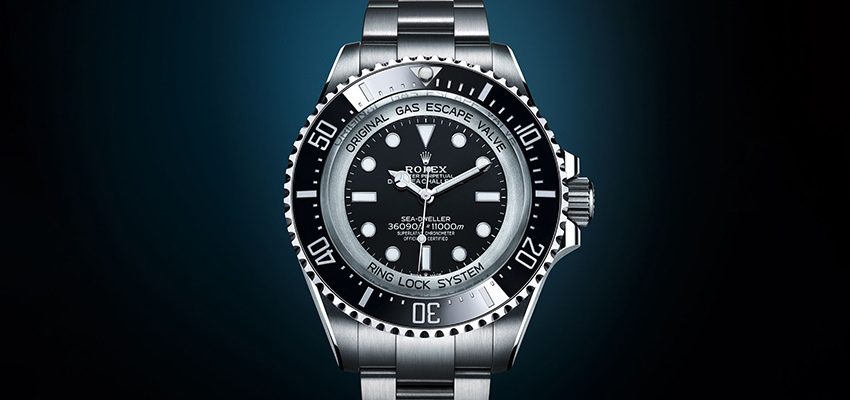
The dive watch was born out of necessity in the early 20th century, as professional and military divers required timepieces that could withstand extreme underwater conditions. One of the earliest pioneers was Rolex, which introduced the Oyster case in 1926, creating one of the first truly waterproof wristwatches. Later, in the 1950s, the concept matured with the release of iconic models, including the Rolex Submariner, Blancpain Fifty Fathoms, and Omega Seamaster 300—each setting the standards for what a true dive watch should be. However, there are many Rolex replica watches on the market, so please be cautious when purchasing one to avoid a fake.
Defining Characteristics
A dive watch is defined by its ability to function reliably underwater. According to ISO 6425, the international standard for dive watches, these timepieces must be water-resistant to at least 100 meters, possess a unidirectional rotating bezel, and offer clear legibility in low-light conditions. The bezel allows divers to track elapsed time safely, while luminous hands and markers ensure visibility in the deep.
Other features include robust stainless steel or titanium cases, screw-down crowns and casebacks, and scratch-resistant sapphire crystals. Many modern dive watches also incorporate helium escape valves for saturation diving—an innovation that allows trapped gases to escape without damaging the watch.
Tool Watch to Style Icon
While few people today rely on mechanical dive watches for professional diving—digital dive computers have taken that role—the appeal of the dive watch remains strong. Its rugged aesthetic and association with exploration make it a versatile accessory suitable for almost any occasion. A Submariner or Seamaster looks equally at home with a wetsuit or a business suit.
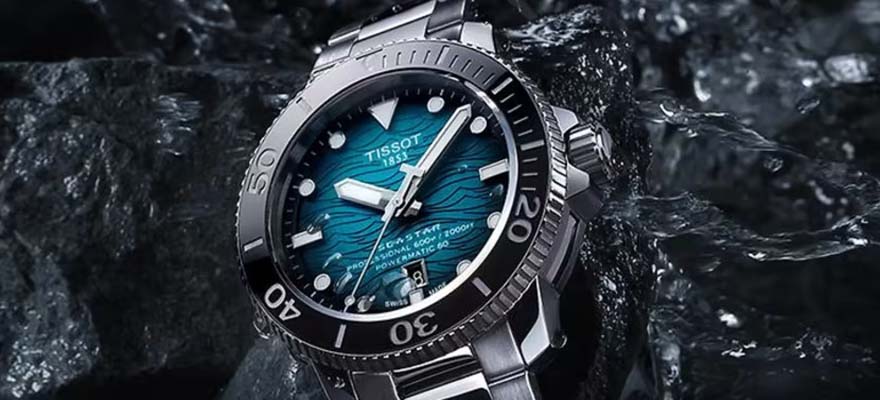
This transformation from utility tool to luxury object reflects a broader cultural shift. Modern consumers appreciate dive watches not just for what they can do, but for what they represent: endurance, reliability, and adventure. Brands have responded by refining materials and craftsmanship, introducing ceramic bezels, in-house movements, and advanced anti-magnetic technologies.
Notable Models and Innovations
Beyond the familiar icons, numerous brands have contributed unique innovations to dive watch history. Seiko’s introduction of the first affordable, professional-grade dive watches in the 1960s democratized underwater timekeeping. Citizen followed with its Promaster series, using eco-friendly solar technology. In the luxury segment, Tudor, Panerai, and Oris continue to push boundaries with contemporary designs and enhanced performance.
Even microbrands have entered the scene, combining vintage inspiration with modern materials like bronze and ceramic. This variety ensures that dive watches remain accessible to a wide audience—whether you seek a rugged companion for real underwater exploration or a stylish nod to maritime heritage.
The Appeal of Mechanical Mastery
Part of the dive watch’s charm lies in its mechanical complexity. A well-engineered automatic movement, protected against pressure and moisture, represents a triumph of micro-engineering. For enthusiasts, wearing a dive watch connects them to a lineage of innovation and craftsmanship that spans decades. Each rotation of the bezel or turn of the crown is a reminder of a time when precision could mean survival.
Modern Trends and the Future
In recent years, sustainability and technology have influenced the evolution of dive watches. Brands are adopting recycled materials, eco-friendly manufacturing, and even hybrid analog-digital systems. Yet, the essence of the dive watch remains unchanged—resilience and clarity under pressure. As digital tools continue to dominate, the mechanical dive watch endures as a tactile, emotional object in an increasingly virtual world.
Conclusion
Dive watches are far more than underwater instruments—they are enduring symbols of exploration, craftsmanship, and timeless design. From the pioneering models of the 1950s to today’s high-tech interpretations, their appeal transcends fashion and function. Whether on the wrist of a professional diver or an urban explorer, a dive watch speaks the same universal language: reliability, adventure, and the enduring human fascination with the deep. Before making a purchase decision, be sure to do your research to avoid buying replica watches on the market.

