
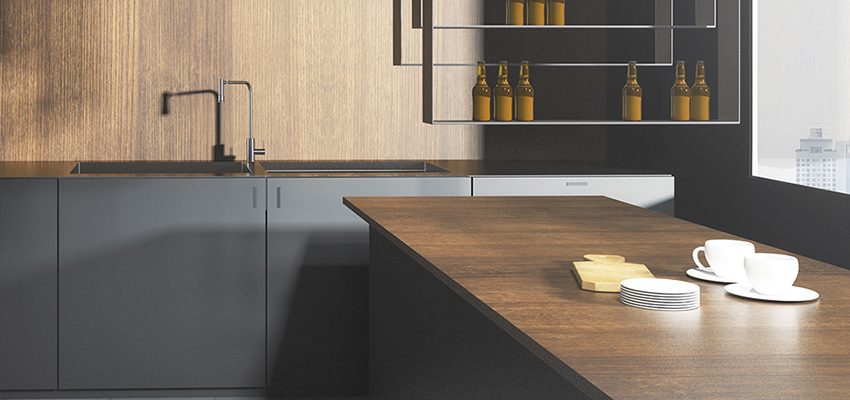
Anti-fingerprint laminate represents a new generation of engineered surface materials that merge nanotechnology, polymer chemistry, and industrial design. Developed to combat visible smudges, fingerprints, and uneven gloss, AF laminates provide a clean, sophisticated, and durable finish ideally suited for contemporary environments that prioritize both aesthetics and functionality.
Technology and Composition
The structure of an anti-fingerprint laminate typically begins with a decorative paper layer impregnated with melamine or phenolic resin, bonded to a substrate such as MDF, particleboard, or compact laminate. On the outermost surface, a functional coating is applied using nano-silica, modified polyurethane, or acrylic polymer blends. This ultra-thin layer forms a dense cross-linked matrix with low surface energy, which minimizes oil and moisture adhesion from human touch.
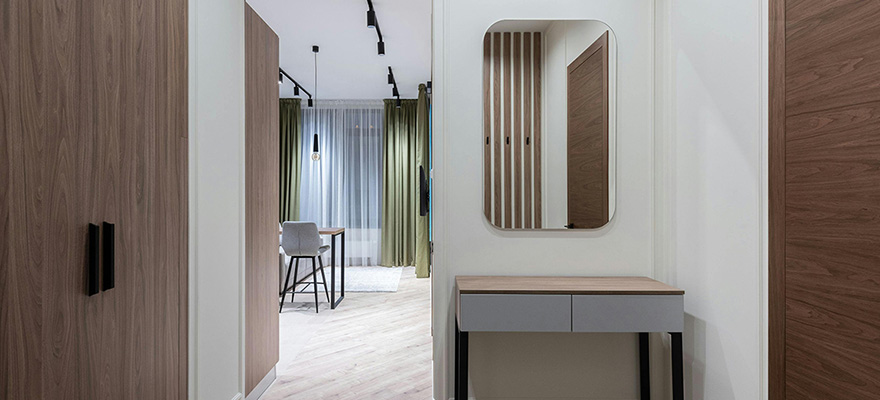
Advanced manufacturing techniques—such as plasma treatment, electron-beam curing, or UV nano-coating—are often used to achieve uniform polymer cross-linking. These methods enhance hardness, scratch resistance, and resistance to chemicals and solvents. The result is a tactile matte surface with a soft-touch feel that diffuses light evenly, maintaining color depth and contrast while masking smudge marks.
Some premium AF laminates also incorporate anti-static properties to reduce dust accumulation and use micro-structured surface patterns that further scatter light reflection, producing a refined low-gloss finish even after prolonged use.
Key Functional Properties
- Superior Fingerprint Resistance: The hydrophobic and oleophobic coating minimizes visible residues from skin oils and ensures an easy-to-clean surface.
- Soft-Touch Sensation: The surface delivers a warm, velvety tactile experience without compromising on durability or resistance to everyday wear.
- Mechanical Strength: High resistance to scratches, abrasion, and heat allows AF laminates to maintain their integrity under frequent contact and cleaning.
- Chemical and UV Stability: The advanced coating formulation prevents color fading, yellowing, and degradation caused by exposure to sunlight or cleaning agents.
- Hygienic Surface: The non-porous structure inhibits bacterial growth and resists staining, making it suitable for both residential and commercial hygiene requirements.
Applications
Anti-fingerprint laminates are used across a wide range of industries due to their combination of beauty and performance. In residential interiors, they are commonly used for kitchen cabinet doors, countertops, wardrobes, and bathroom panels. Their ability to stay clean and matte even after repeated touching enhances the aesthetic value of modern minimalistic designs. In commercial and corporate spaces, AF laminates appear in reception counters, wall claddings, and office furniture, where visual consistency and low maintenance are highly valued.
They are also widely utilized in hospitality, healthcare, and transportation industries. Hospitals and laboratories appreciate AF laminates for their ease of disinfection and resistance to harsh cleaning chemicals. In consumer electronics and appliances, the same technology is applied to refrigerator doors, laptop shells, and touchscreen panels, providing a sleek appearance that remains smudge-free during operation.
Sustainability and Future Outlook
Manufacturers are increasingly moving toward sustainable production methods. New eco-friendly coatings with water-based, low-VOC compositions are reducing the environmental impact associated with solvent-based resins. Research and development efforts are exploring bio-based polymer resins, self-healing coatings that repair micro-scratches automatically, and “smart” surfaces that can dynamically adjust gloss levels or repel contaminants in real time. These innovations are expected to redefine the role of AF laminates in future design and manufacturing ecosystems.
Conclusion
Anti-fingerprint laminates are more than a cosmetic innovation—they represent a convergence of advanced material science, surface engineering, and sustainable design thinking. By combining nano-structured coatings, precise curing technologies, and user-oriented tactile qualities, AF laminates offer designers and manufacturers a reliable solution for creating elegant, functional, and long-lasting surfaces. As demand grows for materials that deliver both performance and visual purity, the importance of anti-fingerprint technology will continue to expand across architecture, interior design, and industrial applications.

